A road tanker carries far more than product. Every journey places loads on the chassis, suspension, axles and tyres. How those loads are managed influences safety, compliance, vehicle performance and long-term operating costs.
While payload capacity is often the focus when purchasing a tanker, weight distribution is equally important and is considered from the earliest stages of design.
More than Payload
Weight distribution begins long before a tanker enters production.
Tank geometry, compartment configuration, axle placement and the intended operating conditions are all assessed to achieve an appropriate distribution of mass across the vehicle combination. The objective is not simply to maximise payload, but to achieve a balance between carrying capacity, vehicle stability and regulatory compliance.
Liquid Cargo Behaves Differently
Unlike solid freight, liquids move as the tanker accelerates, brakes and corners. As product is loaded and discharged throughout the day, axle loads and the vehicle’s centre of gravity also change.
Compartment sizes and layouts are therefore designed to support the operator’s delivery profile while maintaining appropriate vehicle loading throughout the journey.
Designing for Long-Term Performance
Weight distribution also influences the long-term performance of the asset.
Uneven loading can increase tyre wear, place additional demands on suspension components and contribute to higher maintenance requirements over time. These factors are considered during the design process because they influence how the tanker performs throughout its operational life—not just on the day it is delivered.
Every Operation Is Different
No two fleet operations are identical.
Vehicle combinations, delivery schedules, product types and operating environments all influence the most appropriate tanker configuration. For this reason, specifying a road tanker involves more than selecting a capacity. It requires an understanding of how the vehicle will be used every day.
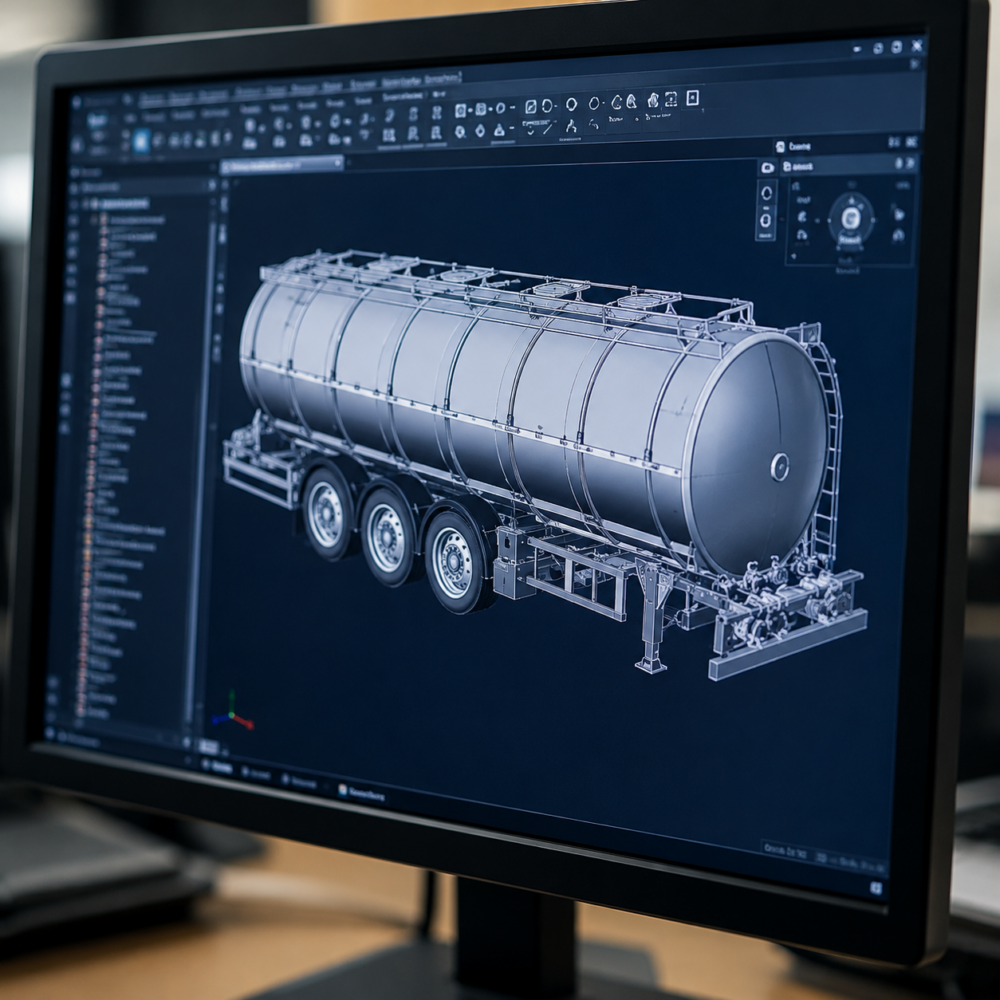
At ATE, these operational requirements form part of the engineering process from the outset, ensuring each tanker is developed to suit its intended application.